

FinOps Consulting Services: How Experts Help Businesses Control Cloud Spending
Cloud bills can become difficult to manage as businesses expand their applications, add new workloads, and use more cloud resources. A sudden increase in usage, unused infrastructure, or poor cost visibility can lead to spending that is higher than expected. Without a clear understanding of where the money goes, businesses may struggle to connect cloud expenses with actual business results.
FinOps consulting services help organisations bring better financial control to their cloud environments. They connect finance, engineering, and operations teams so that everyone understands cloud costs and takes responsibility for managing them. Instead of focusing only on reducing bills, FinOps helps businesses make informed decisions about cloud usage, budgets, and long-term technology investments.
Goognu helps businesses build a more organised approach to cloud financial management. With the right cost visibility, resource planning, and optimisation practices, organisations can manage cloud spending while keeping their technical requirements in focus.
Why Do Businesses Need FinOps Consulting?
Cloud platforms make it easier to access computing, storage, databases, and other services whenever they are needed. However, this flexibility can also make spending difficult to predict. Teams may create resources for testing, increase capacity during busy periods, or continue using services that are no longer required.
These decisions may seem small individually, but their combined effect can increase monthly cloud expenses.
FinOps consulting helps businesses understand these spending patterns and make better financial decisions. Experts review how cloud resources are being used, identify areas that need attention, and help teams establish practical cost management processes.
Some common challenges that make FinOps important include:
Limited Cost Visibility: Businesses may struggle to identify which departments, applications, or projects are responsible for cloud expenses.
Unused Resources: Resources that remain active without serving a current purpose can continue adding to monthly bills.
Unplanned Spending: Growing workloads and changing usage patterns can make cloud budgets difficult to maintain.
Poor Cost Allocation: Without clear allocation practices, teams may not understand their individual contribution to total cloud spending.
Lack of Ownership: When finance and technical teams work separately, cloud cost decisions may not receive enough attention.
A structured FinOps approach helps address these issues by making cloud spending a shared responsibility.
How Do FinOps Consultants Help Control Cloud Spending?
FinOps is not a one-time cost-cutting exercise. It involves regularly reviewing cloud usage, understanding financial data, and making changes based on business needs. Consultants help organisations establish this process and apply it across their cloud environments.
1. Improving Cloud Cost Visibility
The first step towards controlling cloud expenses is understanding where the money is going. Consultants review available cloud billing and usage information to help businesses identify spending across services, workloads, projects, and departments.
Better visibility makes it easier to recognise unusual cost increases and understand which activities are contributing to the bill. It also helps decision-makers compare planned budgets with actual expenses.
With clear cost information, businesses can avoid making decisions based on assumptions and focus on areas where spending needs attention.
2. Finding Opportunities for Resource Optimisation
Cloud resources should match the requirements of the workloads they support. However, businesses may continue using oversized virtual machines, unnecessary storage, or resources that are no longer needed.
FinOps consultants examine resource usage and help identify possible optimisation opportunities. These may include reviewing resource sizes, removing unnecessary capacity, and adjusting infrastructure according to actual demand.
The objective is not to reduce resources blindly. It is to avoid paying for capacity that does not provide meaningful value while maintaining the performance required by applications.
3. Creating Better Cloud Budgets
Cloud spending can change as businesses introduce new applications, expand operations, or experience increases in customer activity. A fixed budget without regular reviews may not reflect these changes.
Consultants help organisations prepare cloud budgets based on expected workloads, historical spending, and planned business activities. They can also help establish forecasting practices to estimate future expenses.
Regular budget reviews make it easier to identify differences between expected and actual spending. Teams can then investigate the reasons and adjust their plans before costs become difficult to manage.
4. Establishing Cost Allocation and Accountability
When several teams share the same cloud environment, it can be difficult to understand who is responsible for particular expenses. Cost allocation helps connect cloud spending with the departments, projects, or applications that generate it.
Consultants help businesses establish suitable allocation practices, including the use of resource tags and ownership information where supported by the cloud environment.
This gives teams a clearer view of their spending and encourages responsible resource usage. It also helps finance departments work with engineering teams using more consistent financial information.
What Does a Practical FinOps Framework Include?
A useful FinOps framework brings together three connected activities: understanding cloud spending, improving resource decisions, and reviewing the results regularly.
Understand: Teams collect and review cloud cost information to identify spending patterns, budget differences, and areas that require attention.
Optimise: Engineering and operations teams evaluate resource usage and make suitable changes based on workload requirements.
Operate: Finance and technical teams review budgets, forecasts, cost ownership, and optimisation progress as part of regular operations.
These activities should continue as the business changes. A company launching a new application, for example, may need to review its cloud budget and resource requirements as usage grows. A FinOps framework helps teams make these decisions with financial information rather than relying only on technical estimates.
How Does FinOps Support Multi-Cloud Cost Management?
Many organisations use more than one cloud provider to support different applications and business requirements. They may use AWS for one workload, Microsoft Azure for another, and Google Cloud for specific services.
Although this approach provides flexibility, it can make financial management more complicated. Each platform may have different pricing structures, billing formats, and usage reports. Reviewing expenses separately can make it difficult to understand total cloud spending.
Multi-cloud cost management brings this information into a more consistent financial view. FinOps consultants help businesses review costs across cloud environments, understand service usage, and establish common budgeting and allocation practices.
This approach helps organisations compare spending, identify areas that need review, and make better decisions about where workloads should run. It also reduces the risk of treating each cloud bill as an isolated expense.
How Does Goognu Help with FinOps Consulting Services?
Goognu helps businesses take a more structured approach to cloud financial management. Its focus is on improving cost visibility, resource utilisation, financial planning, and ongoing cloud cost control.
With FinOps consulting services, businesses can work towards:
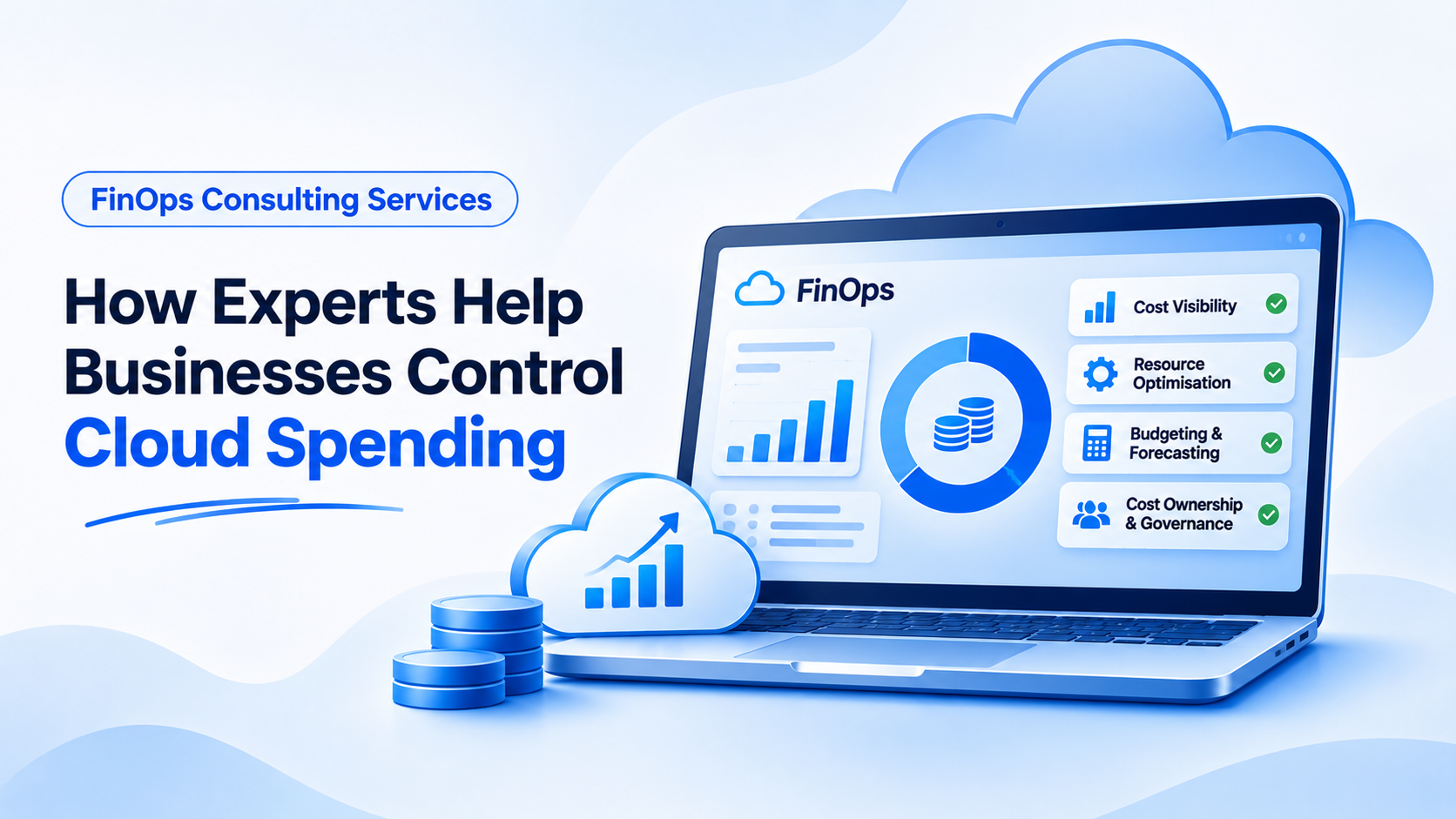
Cloud Cost Visibility: Understand cloud expenses across services and workloads to make financial information easier to review.
Resource Optimisation: Identify possible areas of unnecessary usage and evaluate resources against actual workload requirements.
Budget Planning: Develop practical cloud budgets using spending patterns, business plans, and expected resource demand.
Cost Allocation: Improve spending ownership across departments, projects, and teams through suitable allocation practices.
Cost Forecasting: Review historical usage and spending trends to prepare more informed estimates of future expenses.
Cloud Governance: Establish cost management practices that encourage teams to review resource usage and spending regularly.
The right approach depends on the organisation's cloud environment, workload requirements, and financial priorities. Goognu works towards making cloud expenses easier to understand and manage without treating cost reduction as the only measure of success.
What Should Businesses Look for in a FinOps Consulting Partner?
Choosing a consulting partner requires more than comparing service descriptions. Businesses should look for a team that understands both cloud infrastructure and financial management.
Consider these points before making a decision:
Cloud Experience: The consulting team should understand cloud pricing, billing structures, resource usage, and infrastructure requirements.
Practical Recommendations: Suggestions should relate to actual usage and business needs rather than generic cost-cutting advice.
Financial Understanding: Consultants should be able to explain spending patterns, budgets, forecasts, and cost allocation clearly.
Team Collaboration: FinOps requires coordination between finance, engineering, and operations, so the approach should support shared ownership.
Ongoing Reviews: Cloud usage changes over time. A suitable partner should help establish regular reviews rather than treating optimisation as a one-time task.
A good consulting relationship helps businesses make better decisions over time and build internal knowledge of cloud financial management.
Take Control of Cloud Spending with Goognu
Cloud spending should support business growth, not become an expense that teams struggle to explain. A clear FinOps approach helps organisations understand their costs, use resources responsibly, and plan future cloud investments with greater confidence.
Goognu helps businesses improve their cloud financial management practices through cost visibility, resource optimisation, budget planning, forecasting, and governance. Whether an organisation is managing a single cloud environment or multiple providers, the goal is to make spending more transparent and connect infrastructure decisions with business priorities.
Explore FinOps consulting services with Goognu to build a more informed approach to cloud spending and make every cloud investment easier to evaluate.
Frequently Asked Questions
1. What are FinOps consulting services?
FinOps consulting services help businesses manage cloud expenses through cost visibility, budgeting, forecasting, resource optimisation, and financial governance. They bring finance and technical teams together to improve cloud spending decisions.
2. How does FinOps reduce cloud costs?
FinOps helps identify unnecessary resource usage, oversized infrastructure, and spending patterns that need attention. Businesses can then make informed adjustments while maintaining the resources required for their workloads.
3. Is FinOps suitable for small businesses?
Yes. Small businesses can use FinOps practices to understand cloud bills, set spending limits, review resource usage, and plan future expenses. Starting early can help prevent cloud costs from becoming difficult to manage as the business grows.
4. What is the difference between FinOps and cloud cost optimisation?
Cloud cost optimisation focuses mainly on improving resource usage and reducing unnecessary expenses. FinOps is broader because it also includes budgeting, forecasting, cost allocation, financial accountability, and collaboration between teams.
5. Can FinOps help manage AWS, Azure, and Google Cloud expenses?
Yes. FinOps practices can be applied across AWS, Microsoft Azure, and Google Cloud. The approach helps businesses review spending across providers and develop consistent financial management practices.
6. How often should a business review its cloud spending?
Cloud spending should be reviewed regularly. Monthly reviews are useful for tracking budgets and trends, while frequent monitoring of available billing information can help teams investigate unexpected changes sooner.