

Cloud environments often involve frequent configuration changes, application updates, and infrastructure deployments. When teams manage these activities manually, even a small mistake can affect an application or interrupt an important service. Keeping track of changes across different environments can also become difficult as cloud operations grow.
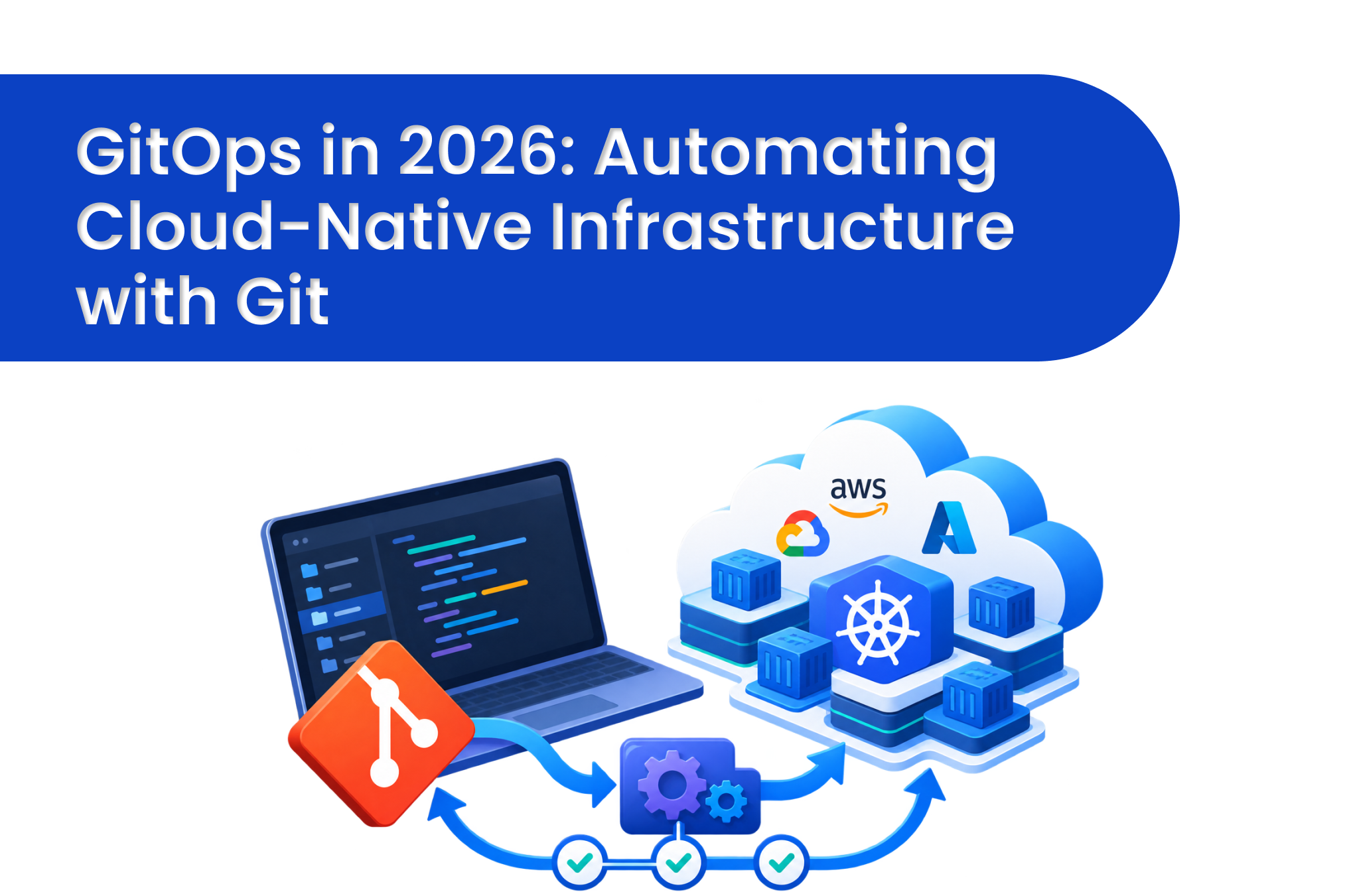
GitOps offers a structured way to manage these activities by using Git repositories as the central source of truth for infrastructure and application configurations. Instead of making changes directly in production environments, teams define the desired state in Git and use automated processes to apply approved changes.
GitOps consulting services help businesses understand how this approach fits their cloud environment, plan suitable workflows, and improve the way teams manage deployments and infrastructure changes.
What Is GitOps and Why Does It Matter?
GitOps is an operational approach that uses Git repositories to store and manage the desired state of applications and infrastructure. Git acts as the central record of configuration changes, making it easier for teams to review, approve, track, and roll back updates.
For example, imagine a business running applications across several Kubernetes environments. Developers need to update application configurations regularly. With a manual process, they may need to make changes separately in each environment. This can lead to differences between development, testing, and production.
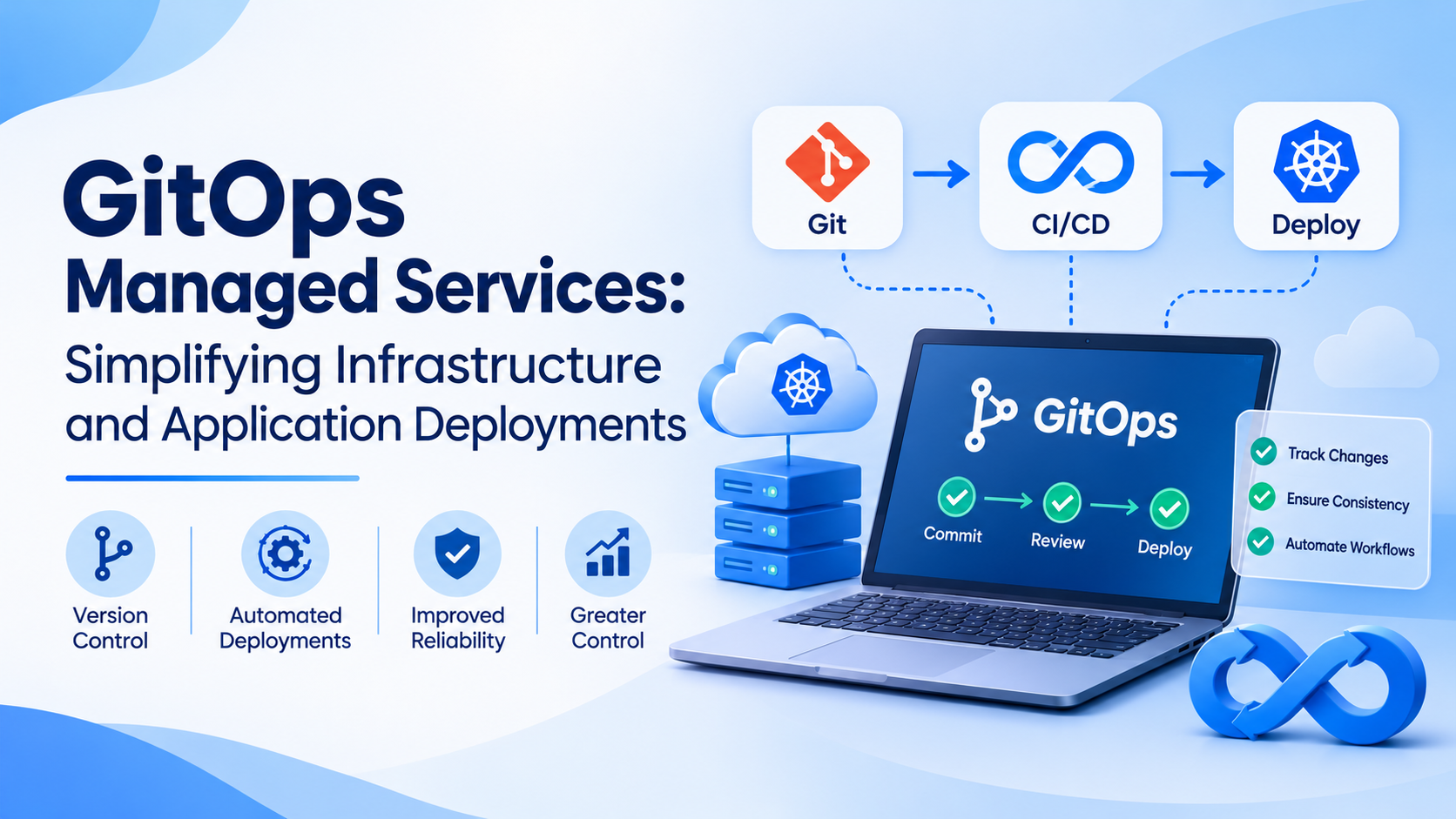
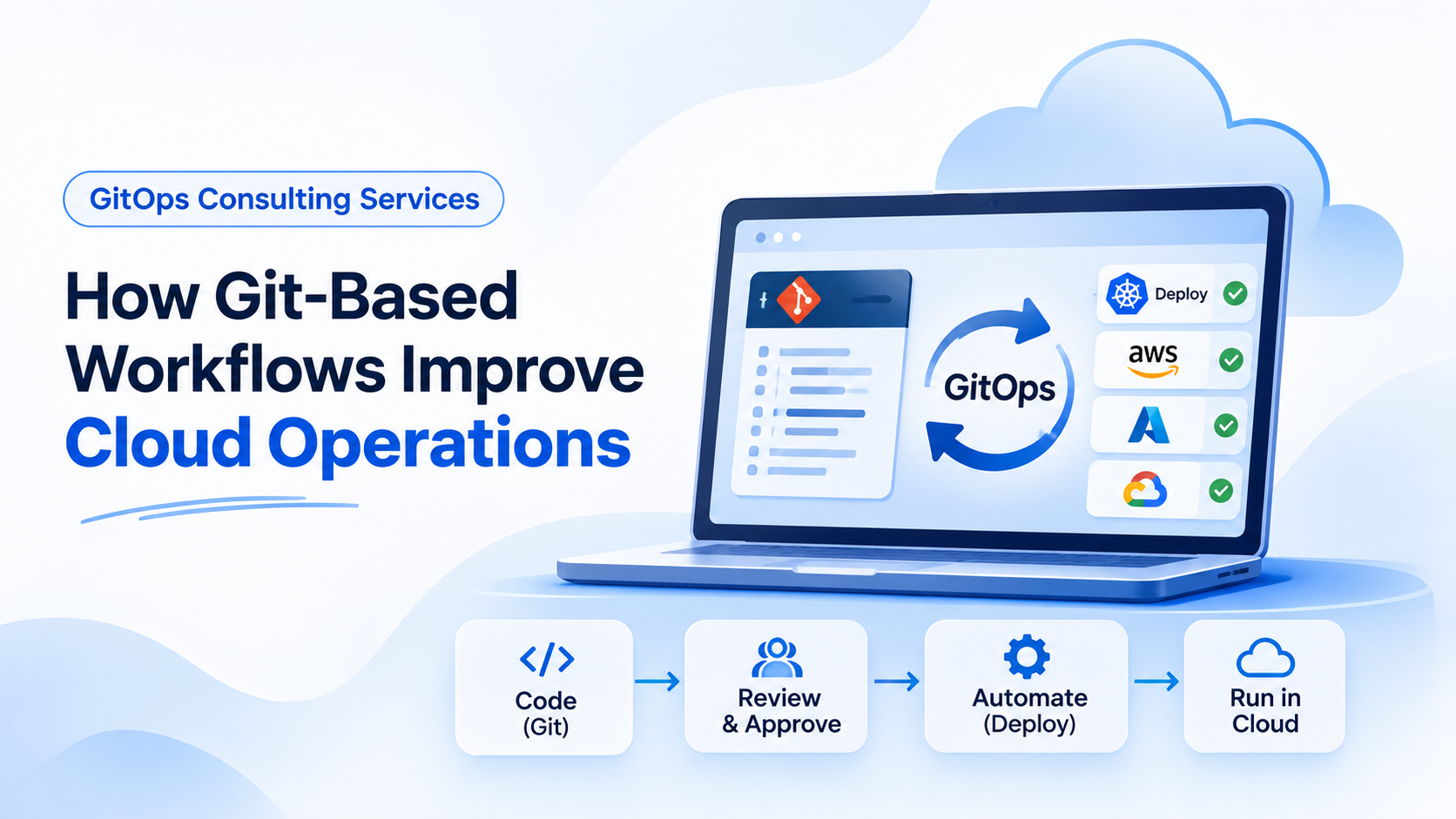
With GitOps, the team updates the required configuration in a Git repository. After the change is reviewed and approved, an automated process applies it to the target environment. The system can also check whether the actual environment matches the configuration stored in Git.
This approach is useful because it brings application and infrastructure management closer to the software development workflow teams already understand.
How Do Git-Based Workflows Improve Cloud Operations?
GitOps is not simply about storing configuration files in a repository. It changes how teams plan, review, apply, and track operational updates.
1. Every Change Has a Clear History
When teams manage infrastructure changes through Git, each update becomes part of a recorded history. They can see what changed, who made the change, and when it was approved.
This makes it easier to investigate unexpected behaviour. If a recent configuration update causes an issue, teams can review the change history instead of trying to remember which manual actions were performed.
2. Changes Follow a Review Process
Git-based workflows allow teams to use pull requests or merge requests before applying changes. Developers can review configuration updates, discuss possible risks, and approve changes before they reach production.
This reduces the chances of unreviewed modifications affecting important environments. It also encourages collaboration between development and operations teams.
3. Environments Stay More Consistent
Managing multiple cloud or Kubernetes environments manually can lead to configuration differences. One environment may receive an update while another continues using an older configuration.
GitOps helps reduce this problem by maintaining the desired configuration in a central repository. Teams can use the same approach to manage changes across development, testing, and production environments.
4. Rollbacks Become Easier to Manage
Not every deployment works as expected. A configuration change may introduce an error or affect application behaviour.
Because Git maintains a history of changes, teams can identify a previous working version and use it to restore the desired configuration. This makes recovery more organised than relying on manual records or undocumented changes.
What Does a GitOps Implementation Involve?
Adopting GitOps requires more than creating a repository. Businesses need to decide how configuration will be stored, reviewed, applied, and maintained.
A typical implementation involves several important steps.
- Reviewing the existing environment: The first step is understanding how applications and infrastructure are currently managed. This includes identifying manual deployment tasks, existing repositories, cloud platforms, and operational challenges.
- Defining the repository structure: Teams decide how to organise application manifests, infrastructure configurations, environment-specific settings, and deployment definitions. A clear structure makes repositories easier to maintain.
- Selecting suitable tools: GitOps implementations often use tools such as Argo CD or Flux for Kubernetes-based environments. The selection depends on the existing infrastructure, technical requirements, and team experience.
- Establishing approval workflows: Teams define how changes are submitted, reviewed, tested, and approved. This helps ensure that updates follow a consistent process.
- Setting up reconciliation: A GitOps controller checks the actual environment against the desired state stored in Git. When differences are detected, it can work to bring the environment back in line with the declared configuration, depending on its settings.
- Testing and improving the workflow: Before applying the approach widely, teams should test it with selected applications or environments. This helps identify configuration issues and gives teams time to understand the new process.
Where Can Businesses Use GitOps Services?
GitOps can support several areas of modern cloud operations. Its usefulness depends on how much of the environment can be managed through declared configurations.
- Kubernetes management: Teams can manage Kubernetes resources and application configurations through Git repositories.
- Application deployment: Deployment definitions can be reviewed and maintained alongside application code.
- Infrastructure configuration: Infrastructure changes can follow a version-controlled workflow where supported by the chosen tools.
- Multi-environment management: Teams can organise configuration differences between development, testing, and production environments.
- Configuration recovery: Previous repository versions provide a reference for restoring known configurations.
These uses help businesses create a more organised process for managing changes. However, GitOps does not remove the need for testing, access controls, security reviews, or operational monitoring.
When Should a Business Consider GitOps Consulting Services?
GitOps may be useful for businesses that manage cloud-native applications or Kubernetes environments. However, the decision should depend on actual operational needs rather than adopting a new method simply because it is popular.
Consider GitOps consulting services if your organisation faces challenges such as:
- Deployment steps depend heavily on manual work.
- Teams struggle to track infrastructure and configuration changes.
- Development and production environments frequently become inconsistent.
- Rollbacks require several manual actions.
- Multiple teams need a shared process for approving operational changes.
- Your organisation is expanding its Kubernetes or cloud-native workloads.
A consultant can review these challenges and determine whether GitOps is suitable. In some cases, improving the existing deployment process may be more practical than introducing a complete new workflow.
What Should You Consider Before Choosing a GitOps Approach?
A successful GitOps setup should fit the way your teams work. Before implementation, businesses should consider repository access, approval responsibilities, secrets management, and environment separation.
Security is particularly important. A Git repository should not expose passwords, API keys, or other sensitive information. Teams need suitable methods for managing secrets and controlling who can approve or apply changes.
It is also important to prepare teams for the new workflow. Developers and operations professionals should understand how repository changes affect live environments, how to investigate reconciliation issues, and how to handle failed deployments.
Starting with a limited application or environment can help teams learn before expanding GitOps across the organisation.
How Can Goognu Help with GitOps Adoption?
Moving to Git-based operations requires a clear understanding of cloud infrastructure, deployment processes, and the tools already used by technical teams. Goognu works with businesses on cloud and DevOps requirements, helping them assess their environments and plan suitable technology approaches.
Through its GitOps Services, businesses can explore ways to organise configuration management, improve deployment workflows, and bring greater consistency to cloud operations. The right approach depends on the organisation's infrastructure, application architecture, and team requirements.
Goognu can help businesses evaluate their current setup and understand the changes needed to adopt GitOps practices. Rather than introducing unnecessary tools, the focus should remain on building workflows that solve real operational problems.
Visit Goognu to learn more about its technology services and discuss your cloud operations requirements.
Conclusion
GitOps gives cloud teams a structured way to manage infrastructure and application changes through Git. By keeping configurations version-controlled and using automated processes to apply approved updates, businesses can improve visibility, consistency, and change management.
However, successful adoption depends on choosing suitable tools, preparing teams, and defining clear workflows. With the right planning and GitOps consulting services, organisations can build a Git-based operating approach that supports their cloud environment and long-term technical goals.
Frequently Asked Questions
1. What are GitOps consulting services?
GitOps consulting services help businesses assess their cloud operations and plan the adoption of Git-based workflows. This may include reviewing existing processes, selecting suitable tools, organising repositories, and defining deployment and approval practices.
2. Is GitOps only used with Kubernetes?
No. GitOps is commonly associated with Kubernetes, but its principles can also apply to other infrastructure and application management tasks when the required tools support declarative configuration and automated reconciliation.
3. What is the difference between GitOps and DevOps?
DevOps is a broader approach to collaboration between development and operations teams. GitOps is a specific way of managing deployments and infrastructure changes through Git repositories and automated processes. It can form part of a wider DevOps practice.
4. Which tools are commonly used for GitOps?
Argo CD and Flux are widely used GitOps tools for Kubernetes environments. The right choice depends on the existing infrastructure, deployment requirements, and the technical experience of the team.
5. Does GitOps eliminate manual work completely?
No. GitOps can reduce manual configuration and deployment activities, but teams still need to review changes, manage access, test updates, handle exceptions, and respond to operational issues.
6. What is the main benefit of using GitOps?
The main benefit is having a consistent and traceable way to manage infrastructure and application configurations. Teams can review changes, maintain version history, and use automated processes to keep environments aligned with the desired state.